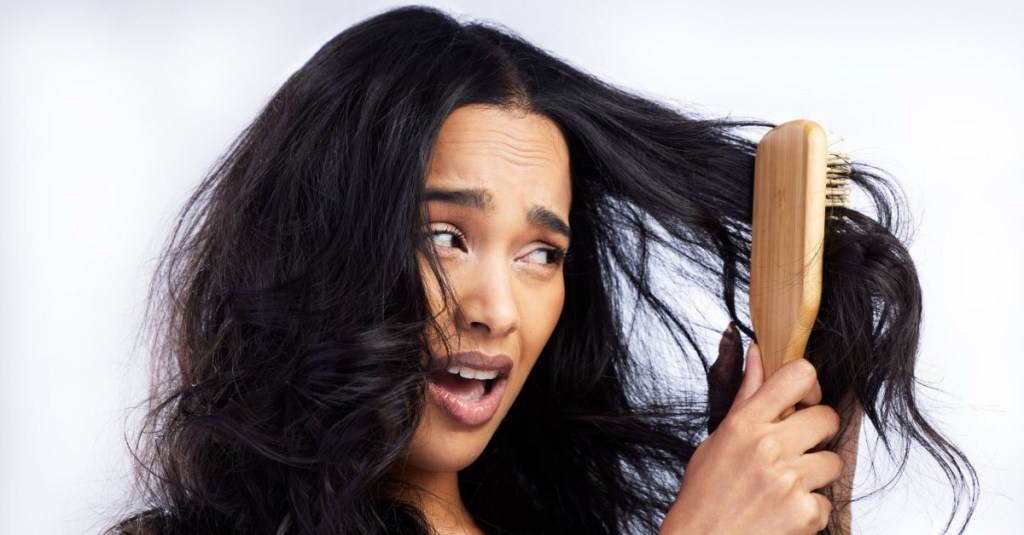
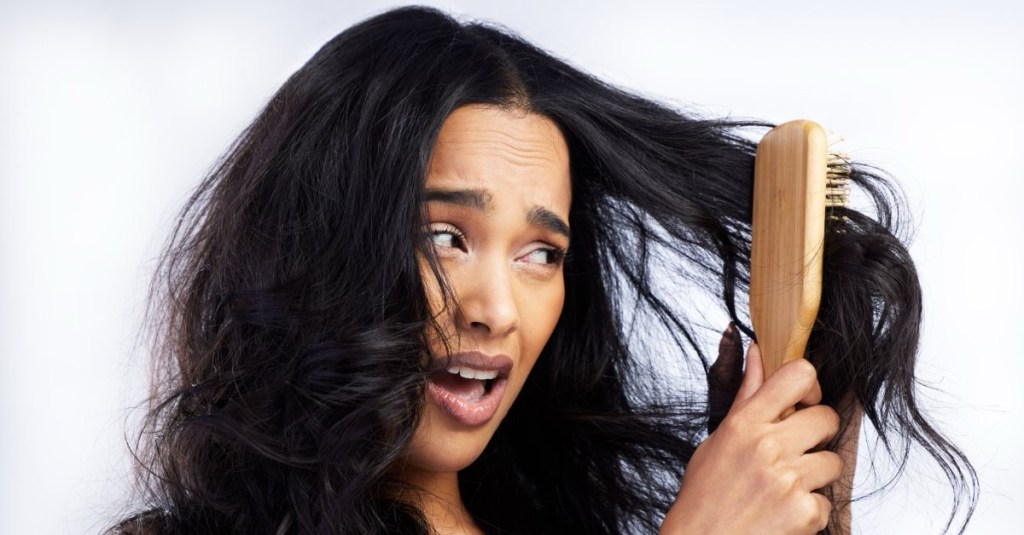
Effective Ways To Get Rid of Frizzy Hair
Frizzy hair can make even a carefully planned hairstyle feel difficult to manage, especially when humidity, dryness, or daily habits disrupt the hair’s smooth appearance. Fortunately, you can improve texture and manageability by understanding what causes frizz and adjusting how you wash, dry, and style your hair. The most effective ways to get rid of frizzy hairfocus on protecting moisture, reducing unnecessary friction, and treating each strand gently. With consistent care, you can encourage smoother hair that feels softer and responds better to styling without relying on complicated techniques.
Understand What Causes Hair To Frizz
Frizz occurs when the hair’s protective outer coating, known as the cuticle, lifts or suffers damage. When the cuticle does not lie flat, moisture from the surrounding air can enter the hair shaft and cause strands to swell unevenly. Humidity can make this reaction more noticeable, while dryness can increase vulnerability. Heat, chemical treatments, and rough handling may also weaken the cuticle. Consider your hair’s condition and daily habits when addressing frizz.
Wash Your Hair With Moisture in Mind
Frequent washing can remove natural oils that help keep hair soft and manageable. If your hair feels dry after every wash, consider spacing out shampoo days when your scalp allows it. Choose a gentle shampoo that cleans effectively without leaving your lengths feeling stripped or brittle.
Focus shampoo mainly on your scalp, where oil and product buildup collect. Let suds move through your lengths while rinsing instead of scrubbing them aggressively. Lukewarm water can also prevent unnecessary dryness.
Make Conditioner a Priority
Conditioner helps replenish moisture after shampooing and creates a smoother surface along the hair shaft. Apply it primarily to your mid-lengths and ends, where dryness and damage often appear most noticeably. Give the product time to coat your strands before rinsing according to its directions.
A deeper treatment can add softness when hair feels especially dry. Frequency depends on your texture and styling habits. Watch how your hair responds to create a simple hair care routine that provides moisture without leaving strands heavy.
Dry Your Hair More Gently
The way you dry your hair can influence how much frizz appears before styling even begins. Rubbing wet hair vigorously with a traditional bath towel creates friction and can disturb the cuticle. Instead, gently squeeze excess water from your hair and use a soft microfiber towel or cotton T-shirt to absorb moisture.
Avoid tightly twisting or excessively handling wet hair because it is vulnerable to breakage. Gentle blotting helps preserve your natural pattern while reducing roughness after drying.
Detangle Without Creating Damage
Brushing aggressively can separate natural waves or curls and create visible frizz. Use a detangling method that suits your texture, starting near the ends and gradually working upward. This approach helps loosen knots without forcing a brush or comb through tangled sections.
Detangling while conditioner is present gives many hair types helpful slip. Straighter textures may require a different approach. In every case, patience matters because pulling through stubborn tangles can cause breakage.
Protect Hair Before Using Heat
Blow-dryers, curling irons, and flat irons can create polished styles, but excessive heat may weaken hair and increase frizz over time. Apply a heat protectant before using hot tools and choose the lowest effective temperature for your hair. Avoid repeatedly passing a hot tool over the same section.
Think carefully about the styling tools you need for the perfect hairstyle rather than using every tool available during each session. Reducing unnecessary heat exposure gives your hair a better chance to retain moisture and maintain a smoother cuticle. Strategic styling can produce polished results while limiting avoidable stress.
Use Your Blow-Dryer Strategically
A rushed blowout can leave the hair surface looking rough even when you use quality products. Direct airflow down the hair shaft rather than blowing from different angles. Keeping the airflow controlled encourages the cuticle to lie flatter and can create a smoother finish.
Let hair partially air-dry when appropriate to shorten heat exposure. Choose a comfortable dryer temperature that works without overheating strands, and finish each section carefully.
Choose Styling Products for Your Texture
Anti-frizz products work best when they match your hair’s needs. Fine hair may respond better to lightweight formulas that smooth without reducing volume, while thick or coarse hair may benefit from richer creams. Start with a modest amount because applying too much product can make hair look greasy or weighed down.
Leave-in conditioners can support moisture retention, while smoothing serums create a polished surface. Apply products evenly to areas that become fuzzy. Your ideal approach may change as seasonal humidity shifts.
Protect Your Hair While You Sleep
Hours of contact with a pillow can create friction that leaves hair tangled or frizzy by morning. A smooth pillowcase can reduce some of that rubbing and help preserve your style overnight. Keeping hair loosely secured may also prevent excessive movement while you sleep.
Avoid tight elastics that pull on strands. For curls or waves, choose an overnight method that protects your natural pattern. Preparation can reduce brushing or heat styling the next morning.
Schedule Regular Trims
Split ends can travel farther up the hair shaft and contribute to a rough, uneven appearance. Trims remove damaged ends before they become more noticeable. Although trimming does not change how new hair grows, it can make existing lengths look healthier and easier to style.
The ideal timing varies according to your haircut, hair condition, and styling habits. Addressing damaged sections can improve the overall shape of your hairstyle and prevent you from relying on heavy products to disguise roughness.
Adjust Your Routine With the Weather
Hair may behave differently from one season to another, so a routine that works during winter may need adjustments in summer. Humidity can cause some textures to swell, while dry indoor air can leave other hair types feeling brittle. Notice how environmental changes affect your results.
You may need a lighter product during one season and more conditioning during another. Small adjustments often work better than replacing your entire routine. By responding to your hair’s current condition, you can maintain smoother results while avoiding unnecessary product buildup or excessive manipulation.
Build Consistent Habits for Smoother Hair
Managing frizz becomes easier when you protect your hair daily instead of correcting problems before an event. Consistent care supports a smoother surface and helps reveal which techniques improve your hair. The most effective ways to get rid of frizzy hair combine moisture-conscious care with habits that reduce friction and heat exposure. As you learn how your texture responds, you can develop an approach that keeps your hair polished while supporting its condition.






Leave a Reply