What To Do When You Have More Stuff Than You Need
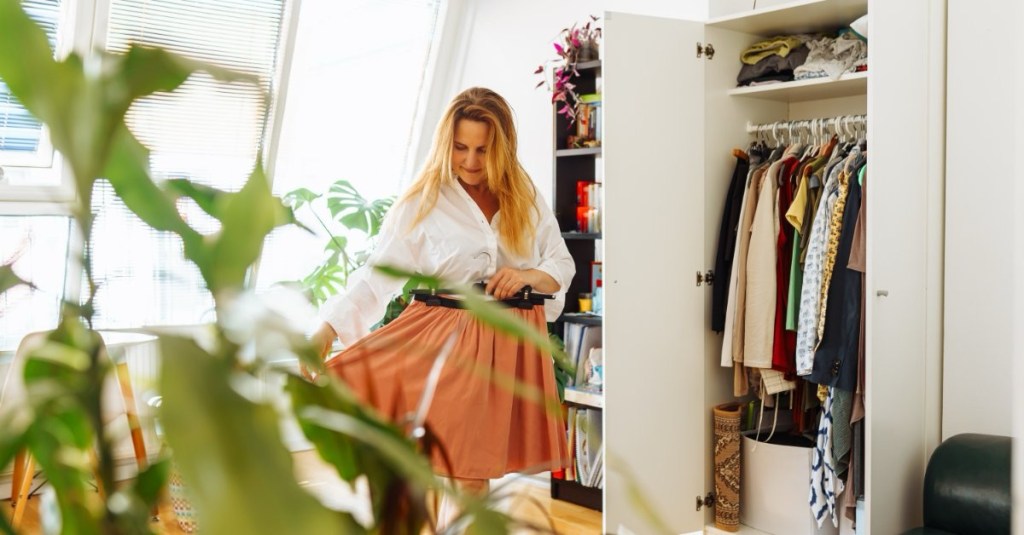
There comes a point when having plenty starts feeling suspiciously like having too much. Your wardrobe is technically full, yet you wear the same favorites every week. Bathroom cupboards contain enough half-used products to open a tiny beauty counter, while finding one handbag somehow requires moving four others first.
Deciding what to do when you have more stuff than you need does not require stripping your home back to three beige jumpers and a single decorative candle. A more realistic goal is figuring out which belongings still suit your life and giving yourself permission to make different decisions about the ones that do not.
Work Out What Is Actually Bothering You
Before attacking every cupboard with bin bags, consider what is making your belongings feel excessive. Perhaps getting dressed has become frustrating because you cannot see half your clothes, or your kitchen cupboards are so packed that you keep buying ingredients you already own. The problem might be quantity, but awkward storage can make a perfectly reasonable collection feel overwhelming too.
Looking at the source of the frustration gives your clear-out some direction. If your wardrobe is the culprit, emptying the spare-room bookshelf simply because you have caught the decluttering bug will create more work without solving the problem. Concentrating on the areas that interfere with everyday life can make a noticeable difference without turning Saturday morning into an exhausting whole-house mission.
See What You Own Before Buying Anything Else
Shopping becomes remarkably easy when you forget what is already at home. A moisturizer disappears behind taller bottles, another black top joins several remarkably similar black tops, and the lovely notebook you bought last month vanishes into a drawer with its extended family. Each purchase can feel perfectly reasonable in isolation, which is partly why belongings accumulate without much warning.
Creating enough order to see what you already have can interrupt that cycle. If things have reached the stage where every drawer contains a surprise, taking some time to organize your home can reveal forgotten purchases before you add more. You may rediscover things you genuinely like along the way, which is considerably more satisfying than buying a replacement for something sitting six feet away.
Decide What Still Deserves the Space
Once you can see your belongings, the question becomes less about how much you own and more about whether those things deserve the room they occupy. You do not need to wait until something breaks, looks dated or falls completely out of fashion before deciding it no longer deserves space in your home.
Some possessions belong more to a version of yourself you once imagined than to the woman you are now. The dress that looked gorgeous at a different stage of your life may spend every special occasion losing to something you feel better wearing. Judging possessions by the life you actually have can make it easier to recognize when something has earned a graceful exit.
Stop Saving Good Things for Someday
Some belongings earn their space easily once you stop treating them as too good for ordinary life. The fancy body lotion can survive a Tuesday evening, and the expensive candle does not need to wait until your home looks ready for a magazine shoot. If you bought something because you loved it, using it is a perfectly respectable fate.
A small “use next” area works particularly well for beauty products and other consumables that tend to disappear into cupboards. Choose a manageable number of forgotten items and keep them visible until you have enjoyed them properly. You may find a new favorite, or you may finally confirm that the product you have been dutifully saving is not nearly as exciting as its packaging promised.
Know When Something Is Worth the Effort
Useful possessions do not automatically need to leave your life simply because their original purpose has disappeared. A basket that no longer works in the living room might solve an actual storage problem elsewhere, while a neglected tote could become the bag you always keep packed for the gym. A new purpose makes sense when it answers a genuine need.
Selling can work for possessions with enough value to justify the job involved. Photographing a beautiful coat or designer handbag and arranging postage may feel worthwhile when the return is meaningful, but lower-value items deserve a more realistic calculation. Spending forty minutes negotiating with a stranger about a £4 jumper can quickly make that potential profit feel less exciting. Setting a minimum value for what you will sell can prevent the “to list” pile from becoming permanent décor with entrepreneurial aspirations.
Find the Right Next Home for Useful Extras
Once you know you genuinely want something gone, think about where it could be useful next. Friends or family may appreciate pieces, especially when you already know the item suits them. Offering your sister a barely used perfume she loves is thoughtful, while arriving with three mystery bags and expecting her to sort them is suspiciously close to relocating your clutter.
Donation provides another destination for usable extras, particularly when a bigger clear-out produces more than you can reasonably pass along personally. Good clothes or practical household items may have plenty of usefulness left even when they no longer belong in your home.
A little sorting before you donate can make a larger clear-out more purposeful, especially when you are avoiding waste when donating in large quantities. Checking what local organizations accept and separating unsuitable items at home means the donation pile reflects what someone can realistically use, not simply everything you wanted out of the cupboard.
Be Pickier About What Comes Back In
Empty space has a funny habit of looking like an invitation to shop, especially after the satisfaction of a successful clear-out. Paying attention to the categories that repeatedly multiply in your home can make future purchases more deliberate without sucking all the fun out of shopping.
Give potential purchases a slightly higher bar to clear by thinking about where the item will live and whether something at home already does the same job. You might happily decide that another handbag deserves the space because you adore it, while admitting that buying your ninth eyeshadow palette will not suddenly turn you into someone who wears eyeshadow every morning. Fewer disappointing purchases leave more room in your home and budget for things that genuinely delight you.
Make Your Space Suit the Life You Have
Figuring out what to do when you have more stuff than you need is ultimately personal because there is no universally correct amount to own. One woman may adore opening a wardrobe packed with colorful dresses, while someone else feels happiest with a smaller collection she can see at a glance. Neither needs to borrow somebody else’s definition of enough.
What matters is whether your belongings make everyday life more enjoyable or keep demanding space and attention without giving much back. A home can contain perfume collections, overflowing bookshelves or enough handbags to require their own seating plan and still feel wonderfully manageable. When the things around you reflect what you genuinely enjoy and use, having plenty can feel like abundance again instead of clutter.




Leave a comment