Paper vs. Digital Wedding Invitations: Which Is Better?
You’ve found the perfect venue, started dreaming about flowers, and spent an embarrassing amount of time scrolling through wedding inspiration on Pinterest. Now comes another decision: How are you going to invite everyone?
Wedding invitations might seem like a small detail compared to choosing your dress or planning the reception, but they set the tone for your entire celebration. They’re your guests’ first proper glimpse of what you’ve been planning!
The big question is whether to go traditional with beautiful paper invitations or embrace the convenience of digital ones. Both have their charms, and neither is automatically the better choice.
If you’re wondering whether paper or digital wedding invitations are better, let’s compare everything from costs and aesthetics to convenience and guest experience.
The Timeless Appeal of Paper Wedding Invitations
There’s something undeniably romantic about receiving a beautiful wedding invitation in the post. Opening an envelope and feeling the textured paper make the occasion feel wonderfully official. Paper invitations have been wedding traditions for generations, and they’re not disappearing anytime soon.
They Make Gorgeous First Impressions
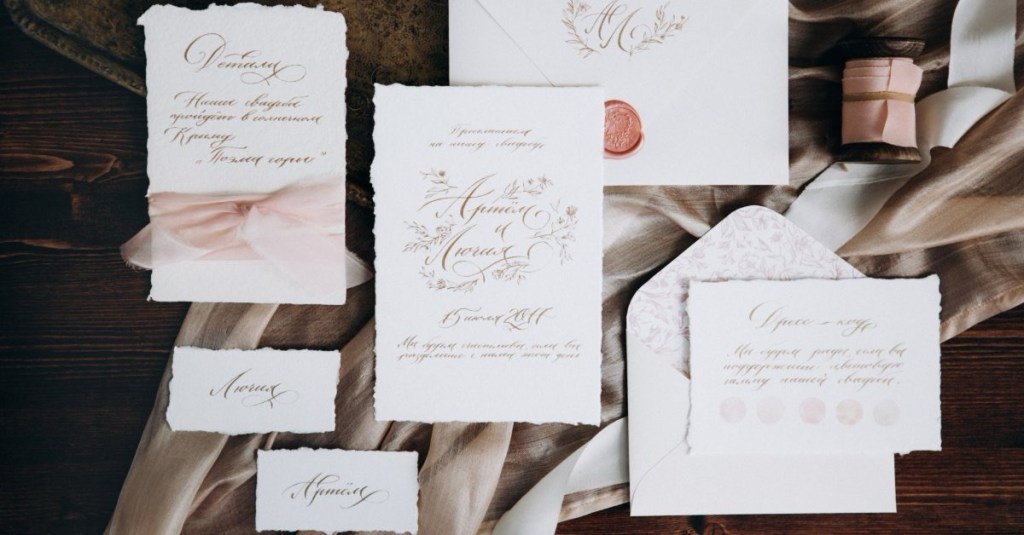
Traditional invitations offer endless opportunities to showcase your wedding style. Whether you’re planning an elegant countryside ceremony or a glamorous city celebration, your stationery can reflect the atmosphere. Think delicate floral illustrations, embossed lettering, romantic calligraphy, or minimalist designs with gorgeous typography.
The paper itself can make a difference, too. Choosing the right paper stock involves considering how texture, thickness, and finish influence the overall appearance of printed invitations. For instance, heavier cardstock might feel particularly luxurious, while textured paper can create a softer, vintage-inspired look.
They Become Meaningful Keepsakes
One of the loveliest things about paper invitations is that they can become treasured memories. You might tuck one into your wedding album, frame it alongside photographs, or save it in a memory box with other little reminders of your special day. Your mum or grandmother might even keep hers displayed on the mantelpiece for months. Adorable, really.
You can certainly save digital invitations, but there’s something special about having a physical reminder.
Why Digital Wedding Invitations Are So Popular
Digital invitations have come a long way from sending a quick email with the wedding details. Today’s options include beautifully designed templates, animated graphics, personalised websites, and convenient RSVP features. For couples who love simplicity, they’re incredibly appealing.
They’re Convenient and Easy To Manage
One of the biggest advantages of digital wedding invitations is how quickly you can send them. Instead of addressing dozens of envelopes and buying postage, you can deliver invitations electronically in a fraction of the time.
Digital platforms may also let you track responses, collect dietary requirements, and send updates directly to guests. That means fewer spreadsheets, fewer missing reply cards, and significantly less wondering whether Aunt Susan received her invitation.
They Make Last-Minute Changes Easier
Wedding plans don’t always unfold exactly as expected. Perhaps your ceremony time changes, your venue adjusts its arrangements, or you need to share additional parking information. With digital invitations, updating guests can be much easier than trying to correct information that’s already been printed. This flexibility is particularly useful for destination weddings or celebrations involving complicated travel arrangements.
Of course, you’ll still need to make sure guests actually see those updates. Technology is wonderful until someone’s invitation disappears into their spam folder.
Comparing the Costs of Paper and Digital Invitations
Let’s talk money, because wedding budgets have a remarkable talent for growing when nobody’s looking. Paper invitations typically involve several potential expenses, including printing, envelopes, postage, and optional decorative finishes. Custom illustrations, premium cardstock, and elaborate embellishments can increase the total cost.
Digital invitations often cost less, especially if you’re using free templates or affordable online services. However, premium designs, subscriptions, and wedding website features may introduce additional charges.
Neither option has one universal price. A simple printed invitation could cost less than an elaborate digital package, depending on your choices. Before you made a decision, compare the complete costs rather than focusing on the initial design price. And remember, the money you save on invitations could go toward something equally lovely, such as fresh flowers or an extra honeymoon experience.
Which Invitation Style Suits Your Wedding Theme?
Your wedding invitations should feel like introductions to the celebration you’re creating. Consider the atmosphere you want guests to imagine when they receive their invitations. Traditional stationery with elegant lettering and carefully chosen paper might suit a formal black-tie wedding. Meanwhile, a relaxed garden party could work beautifully with colourful digital invitations featuring playful illustrations.
Matching Your Invitations to the Decorations
Consistency can make your wedding feel beautifully coordinated without requiring every detail to match perfectly. For example, invitations featuring soft botanical illustrations could complement floral centrepieces and greenery throughout the venue. If you’re experimenting with creative ways to use fabrics in your wedding decor, you might echo those textures or colours in your stationery design.
Digital invitations can achieve a similar effect through coordinated colours, typography, and illustrations. The important thing is creating a recognisable visual connection between your invitations and the celebration itself.
Think About Your Guests Before Choosing
Your personal preferences matter, but your guest list deserves some consideration, too. Some guests love receiving traditional invitations, while others appreciate having everything accessible on their phones. Older relatives may prefer paper invitations, although plenty are perfectly comfortable using digital platforms. Likewise, younger guests aren’t automatically opposed to traditional stationery.
It’s worth considering accessibility, internet access, and how easily guests can find important information. A beautifully designed digital invitation isn’t particularly helpful if someone struggles to open it. Similarly, a paper invitation can get misplaced just when someone needs the venue address. Choose a format that makes attending your wedding easier, not more complicated.
Are Digital Wedding Invitations Eco-Friendlier?
Environmental considerations might also influence your decision. Digital invitations avoid physical paper, envelopes, and postage, which can reduce material use and eliminate the need for transportation. However, digital communication still relies on electronic devices, servers, and electricity.
Paper invitations aren’t necessarily wasteful, either. Recycled paper, responsibly sourced materials, and simpler designs can reduce their environmental effects. If sustainability matters to you, consider the entire process. You could also reduce unnecessary inserts, avoid elaborate packaging, or limit printed invitations to guests who genuinely prefer them. Small, thoughtful choices can make your celebration feel more aligned with your values.
Can You Combine Paper and Digital Invitations?
Absolutely! In fact, a hybrid approach might offer the best of both worlds. You can send beautiful paper invitations while using a wedding website to manage RSVPs and share practical information. Alternatively, reserve printed invitations for close family members, and send digital versions to other guests.
A combination could look something like this:
Paper invitations: Send to immediate family and guests who appreciate traditional stationery.
Digital invitations: Use for friends and guests who prefer online communication.
Online RSVPs: Collect responses and dietary requirements in one place.
Wedding website: Share accommodation, travel details, and schedule updates.
This approach lets you enjoy the sentimental side of traditional invitations without making every aspect of guest communication more complicated. Just ensure that everyone receives the same essential information, regardless of format.
Paper vs. Digital Wedding Invitations: Which Is Better for You?
Ultimately, choosing between paper and digital wedding invitations comes down to your priorities. If you love tradition, beautiful stationery, and meaningful keepsakes, paper invitations could be worth the additional effort. If you’re prioritising convenience, flexibility, and keeping expenses manageable, digital invitations might be the perfect match.
And if you’re somewhere in the middle? There’s absolutely no rule against combining both.
Your wedding should reflect your personality, your relationship, and the experience you want to share with your favourite people. Whether your invitations arrive in gorgeous envelopes or appear on someone’s phone, what matters most is the excitement behind them.
After all, your guests aren’t coming to admire the stationery. They’re coming to celebrate you, and that’s the loveliest part of all.




Leave a Reply