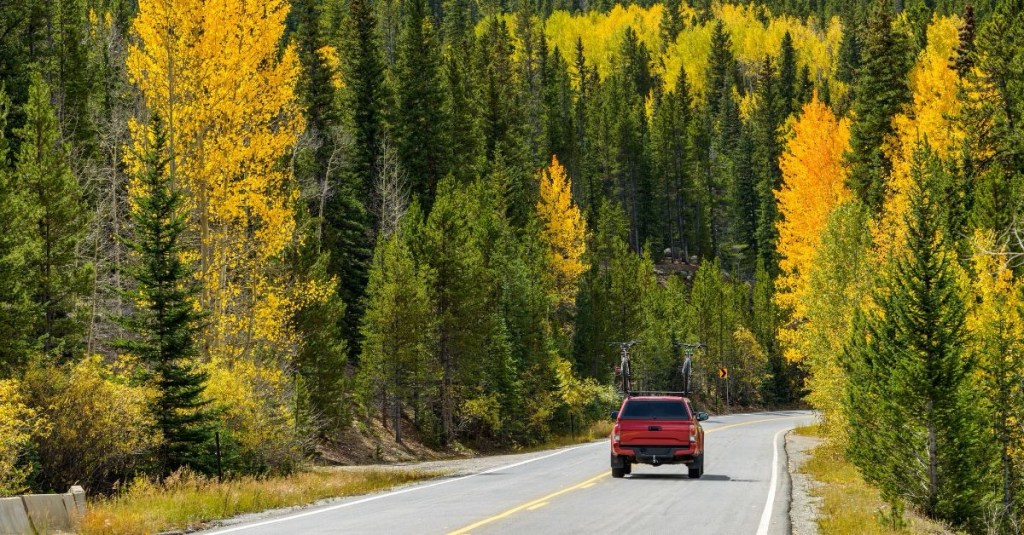
How Rural Driving Differs From Urban Driving
Driving through rural landscapes feels quite different compared to navigating the busy streets of an urban environment. The two experiences demand distinct skills and awareness of various challenges. Understanding these contrasts is crucial for adapting to both settings and staying safe on the road. Here’s how rural driving differs from urban driving.
Environmental Factors
Rural roads often feature uneven surfaces, infrequent signage, and minimal lighting, making them harder to navigate, especially at night. On the other hand, urban streets tend to have smoother surfaces and are well-lit, though they come with risks, like potholes caused by heavy traffic.
Weather also plays a critical role in both environments. Ice and snow can turn rural roads treacherous due to lack of regular clearance, while heavy rain in cities often leads to slippery roads and flooding. Preparing for these challenges must start with one essential step, which is choosing tires based on your driving habits. Having the right tires improves traction and control, which reduces risks no matter where you’re driving.
Traffic Dynamics
When it comes to traffic, rural roads are significantly quieter compared to the packed streets of the city. Urban areas have high traffic volumes and stop-and-go congestion, which demands consistent focus and precise handling. Meanwhile, rural roads often have long stretches with little to no traffic, offering seemingly open space.
But these stretches can lead to complacency, increasing the likelihood of speeding or failing to notice hazards like sharp turns or farm vehicles. The difference in traffic dynamics means you need to stay equally focused yet adapt to the specific flow in either setting.
Driving Practices
Driving behaviors vary widely between rural and urban roads. Rural roads often have higher speed limits but also feature blind curves, hidden driveways, and the possibility of encountering wildlife at any moment. City driving, by contrast, involves navigating intersections, pedestrians, and cyclists constantly. Quick reactions and an awareness of your surroundings are critical. Today, our roads are safer thanks to driver assistance systems, which help reduce the risks associated with distractions or unexpected hazards in both environments.
Safety Considerations
The types of accidents common in rural and urban areas are different but equally serious. Rural areas often see more collisions caused by speeding or wildlife, while urban settings are prone to vehicle-to-vehicle accidents and pedestrian incidents. No matter where you’re driving, the key is to adapt your speed and attention to the environment to keep yourself and others safe.
Vehicle Maintenance
Rural driving places unique demands on a vehicle, from gravel damage to additional wear on suspension systems due to uneven terrain. Urban driving, in contrast, deals a heavier blow to brakes and tires because of stop-and-go traffic. Regular inspections and tailored maintenance are essential for staying safe, whether you’re cruising through open spaces or maneuvering in heavy traffic.
Understanding the differences between rural and urban driving helps you better prepare for each environment’s challenges. Whether you’re tackling rough country roads or weaving through bustling urban streets, adapt your driving technique and know your vehicle’s limits. Take these tips to heart, and you’ll stay ahead of the curve in any driving scenario.




 Kirsty said shop
Leave a comment