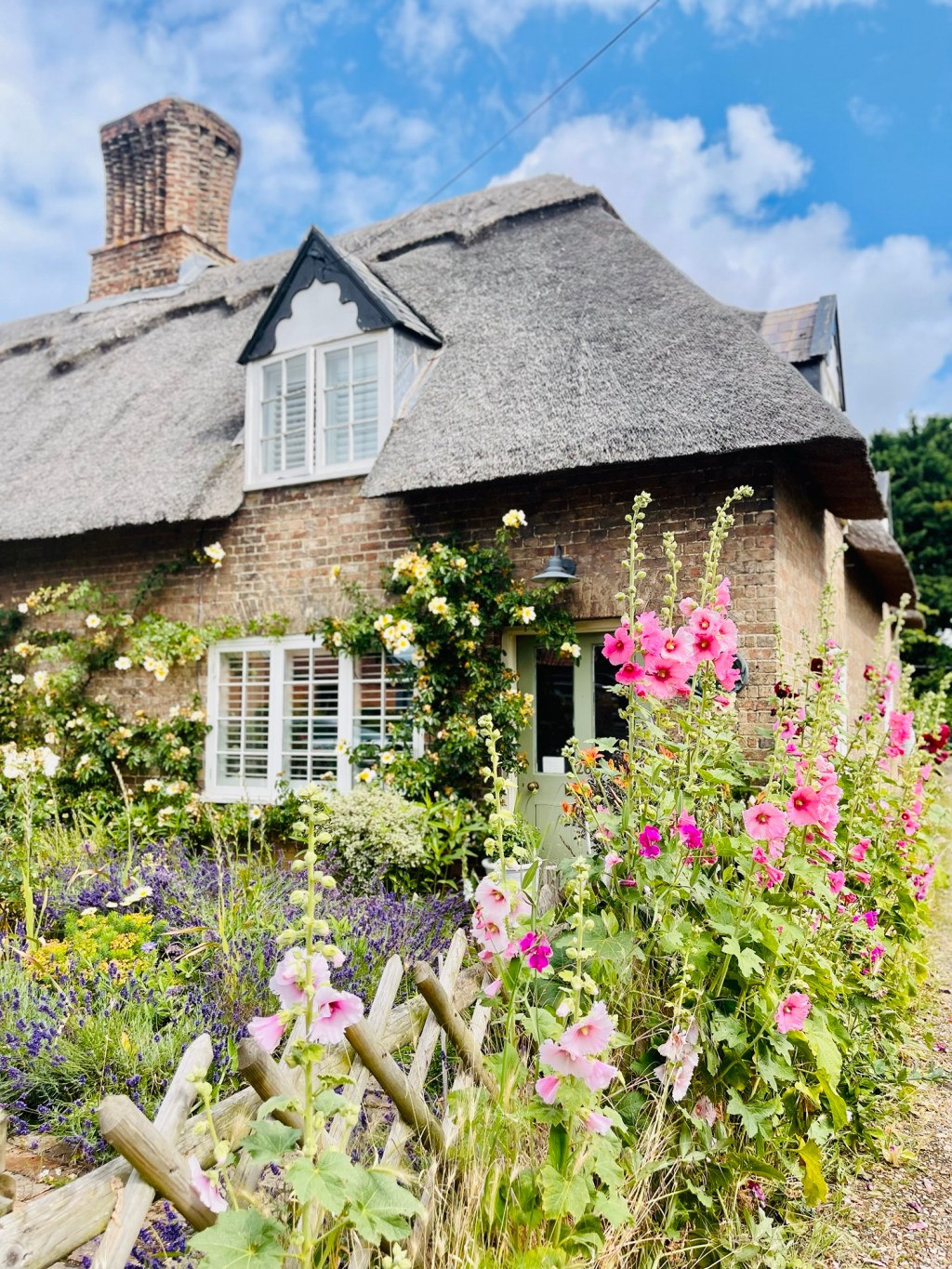
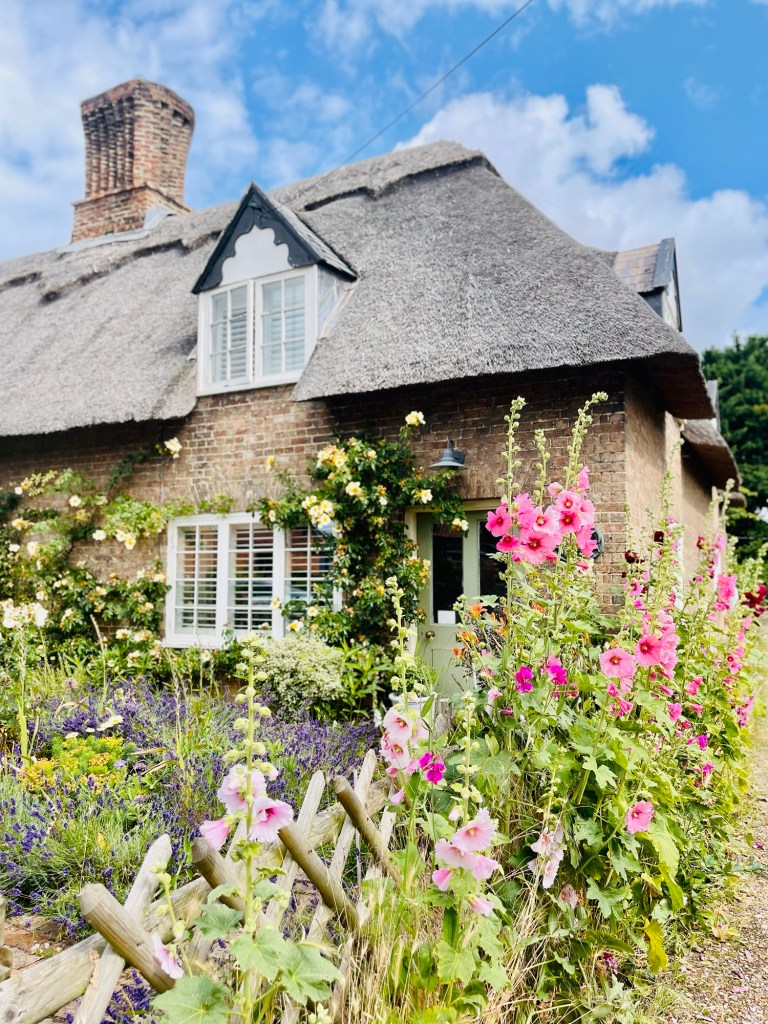
The Best Thatched Roof Materials and Styles: Everything You Need to Know
Thatched roofs are an iconic feature of traditional architecture, offering a timeless charm and impressive functionality. If you’re considering a thatched roof for your home, selecting the best materials and style is crucial for longevity, performance, and aesthetics. However, thatched roofs also come with some challenges, such as pests and maintenance requirements.
In this blog post, we’ll explore the best materials and styles for thatched roofs, their life expectancy, and the potential drawbacks to be aware of.
Best Materials for a Thatched Roof
The materials used in thatching play a significant role in the durability and performance of your roof. Here are the most popular options:
1. Water Reed
• Overview: Water reed is one of the most durable thatching materials and has been used for centuries.
• Benefits:
• Long lifespan (up to 40 years with proper maintenance).
• Naturally water-resistant, making it less prone to rot and decay.
• Provides a neat and tidy appearance.
• Best For: Homes in wetter climates or where longevity is a top priority.
2. Wheat Straw
• Overview: Wheat straw is another traditional thatching material, often used in rural areas.
• Benefits:
• Soft, golden appearance that creates a classic look.
• Suitable for traditional or historic buildings.
• Lifespan: Typically lasts 20–30 years, depending on weather conditions and maintenance.
• Best For: Properties requiring a softer, more traditional aesthetic.
3. Long Straw
• Overview: Long straw is similar to wheat straw but is threshed differently, giving it a looser and more rustic appearance.
• Benefits:
• Offers a more textured, countryside look.
• Slightly more affordable than water reed.
• Lifespan: Around 20–25 years.
• Best For: Heritage properties or buildings aiming for a natural, less formal look.
4. Heather
• Overview: Heather is a less common material but is used in certain regions, particularly in Scotland.
• Benefits:
• Highly durable in the right environment.
• Unique and regional aesthetic.
• Lifespan: Can last 30–40 years with good maintenance.
• Best For: Specific regional styles or homes in areas where heather is readily available.
Best Styles of Thatching
The style of thatching not only affects the appearance of your roof but also its durability and functionality. Here are some popular styles:
1. Flush Ridge
• A sleek, minimalist finish where the ridge blends seamlessly with the main roof.
• Ideal for modern or understated designs.
2. Block Ridge
• A more defined, raised ridge often featuring decorative patterns.
• Adds visual interest and works well for historic or statement properties.
3. Combed Wheat Reed
• Provides a smooth, uniform appearance, ideal for creating a refined, polished look.
• Often used in high-end or heritage homes.
4. Devon or Rustic Style
• A looser, more textured style that offers a rural, natural feel.
• Common in countryside settings and older properties.
Life Expectancy of a Thatched Roof
The lifespan of a thatched roof depends on the materials used, climate, and how well the roof is maintained.
• Water Reed: 30–40 years.
• Wheat Straw or Long Straw: 20–30 years.
• Heather: 30–40 years.
• Ridge Replacement: The ridge typically needs replacing every 10–15 years, regardless of material.
Regular maintenance, such as annual inspections and prompt repairs, can significantly extend the lifespan of your thatched roof.
Drawbacks of a Thatched Roof
While thatched roofs offer beauty and functionality, they do come with some challenges:
1. Pest Problems (e.g., Rats and Birds)
• Issue: Rats, mice, and birds are attracted to the natural materials in thatched roofs, where they may nest or cause damage.
• Solution:
• Install netting or wire mesh to deter pests.
• Keep nearby trees trimmed to reduce access points for rodents.
2. Fire Risk
• Issue: Thatched roofs are more flammable than modern roofing materials.
• Solution:
• Apply fire retardant treatments.
• Install chimney guards and lightning conductors for added safety.
3. High Maintenance
• Regular inspections and repairs are essential to maintain the integrity of a thatched roof. Neglect can lead to leaks, rot, or pest infestations.
4. Weather Vulnerability
• Strong winds and heavy rainfall can cause wear and tear, especially on poorly maintained roofs.
5. Insurance Costs
• Insuring a thatched property can be more expensive due to the perceived risks of fire and maintenance.
Why Choose a Thatched Roof?
Despite the challenges, thatched roofs remain a popular choice for their timeless appeal, natural insulation, and eco-friendliness. Choosing the right material and style, along with regular maintenance, can ensure your thatched roof lasts for decades while retaining its beauty and functionality.
Final Thoughts
If you’re considering a thatched roof, opt for high-quality materials like water reed or wheat straw and select a style that complements your home’s character. Be prepared to invest in maintenance and pest prevention to ensure your roof stays in top condition.
While thatched roofs may require more upkeep than modern roofing options, their charm, sustainability, and excellent insulation make them a worthwhile choice for many homeowners.

 Kirsty said shop
Leave a comment