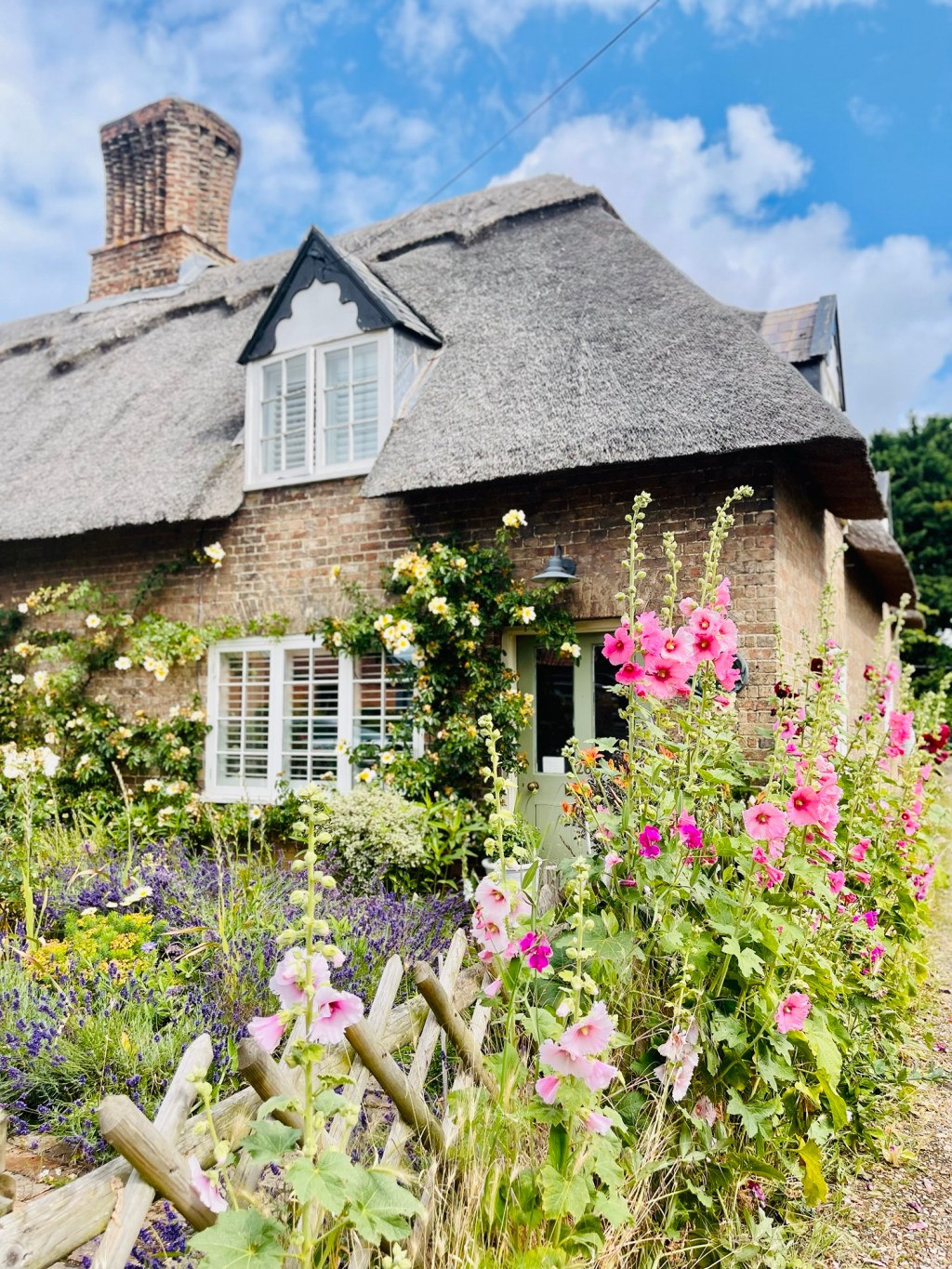
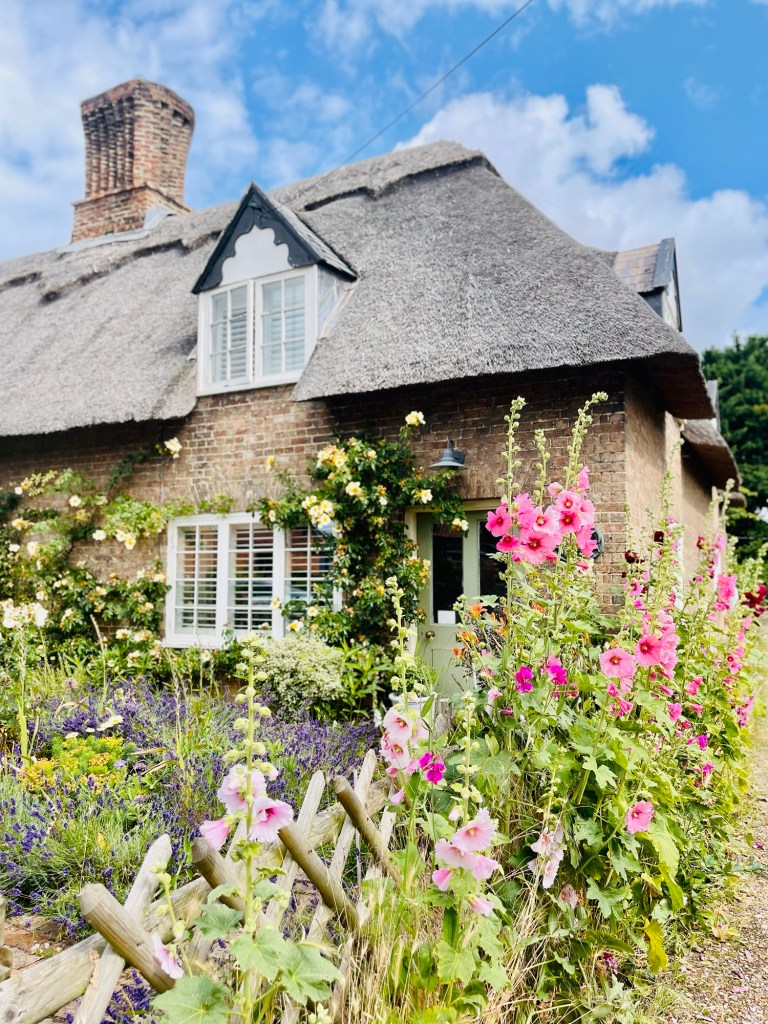
The Advantages and Disadvantages of a Thatched Roof
Thatched roofs have been a charming and traditional roofing choice for centuries, especially in rural areas. While they offer a unique aesthetic and several practical benefits, they also come with challenges that homeowners should consider before committing to this type of roofing.
In this blog post, we’ll explore the pros and cons of thatched roofs to help you decide if this timeless roofing style is right for your home.
What Is a Thatched Roof?
A thatched roof is made from natural materials such as straw, water reed, or heather, layered to create a weather-resistant covering. This traditional roofing technique is often associated with cottages, historic homes, and rural areas, providing a cozy, rustic appearance.
Advantages of a Thatched Roof
1. Aesthetic Appeal
One of the main reasons homeowners choose thatched roofs is their picturesque charm. A thatched roof adds character and a timeless quality to any home, making it stand out in modern neighborhoods or blend perfectly in traditional settings.
2. Excellent Insulation
Thatched roofs are naturally insulating, keeping homes warm in winter and cool in summer. The thick layers of natural materials trap heat, reducing energy costs and improving comfort year-round.
3. Eco-Friendly and Sustainable
Since thatched roofs are made from renewable, biodegradable materials, they’re an environmentally friendly choice. Using locally sourced thatching materials can further reduce the environmental impact.
4. Longevity
When maintained properly, thatched roofs can last 20–40 years, depending on the material used. For example, water reed typically has a longer lifespan than straw.
5. Lightweight Construction
Thatched roofs are much lighter than tiled or slate roofs, which means they often require less structural support. This can make them ideal for older buildings that may not withstand the weight of modern roofing materials.
Disadvantages of a Thatched Roof
1. High Maintenance Requirements
Thatched roofs require regular maintenance to prevent damage from weather, pests, and decay. Tasks such as replacing the ridge every 10–15 years and addressing any minor repairs promptly are essential to prolong their lifespan.
2. Fire Risk
One of the biggest concerns with thatched roofs is their flammability. While modern fire retardants and safety measures (like chimney guards) can reduce the risk, thatched roofs remain more susceptible to fire compared to non-combustible materials.
3. Susceptibility to Pests
Thatched roofs can attract pests such as birds, spiders, mice, and insects, which may damage the structure. Regular inspections and preventative measures are crucial to protect the roof from infestations.
4. Weather Damage
While thatched roofs are designed to be weather-resistant, heavy rain, snow, and high winds can wear down the materials over time. In areas with extreme weather conditions, additional maintenance may be needed.
5. Higher Initial Costs
Installing a thatched roof can be more expensive than conventional roofing options due to the specialized skills and labor involved. However, this upfront investment can be offset by lower energy bills and the roof’s longevity.
6. Insurance Challenges
Home insurance for thatched properties can be more expensive due to the perceived risks of fire and maintenance. Some insurers may require specific safety measures before offering coverage.
Is a Thatched Roof Right for You?
Whether a thatched roof is a good choice depends on your priorities and lifestyle. If you value aesthetic appeal, eco-friendliness, and natural insulation, a thatched roof could be a fantastic option. However, it’s important to be prepared for the ongoing maintenance and potential risks associated with this traditional roofing style.
Tips for Maintaining a Thatched Roof
1. Regular Inspections: Have your roof inspected annually to identify any damage early.
2. Fire Precautions: Install chimney guards, fire retardants, and lightning conductors to minimize fire risks.
3. Pest Control: Use netting or other deterrents to keep birds and pests away.
4. Professional Repairs: Always hire a qualified thatcher for repairs or replacements.
Conclusion
Thatched roofs offer undeniable charm and practical benefits, but they also require commitment to maintenance and careful consideration of risks. If you’re willing to invest in their upkeep, a thatched roof can transform your home into a unique, eco-friendly haven.
Before making a decision, weigh the advantages and disadvantages carefully and consult with a professional thatcher to understand what’s involved in owning and maintaining a thatched roof.

 Kirsty said shop
Leave a comment