General Car Maintenance All Drivers Should Know
Car buffs have extensive knowledge about vehicles. You don’t have to become an expert to take care of your ride! Nevertheless, it’s important for all drivers to know some general car maintenance.
Fill Up the Windshield Washer Fluid
Whenever your car’s windshield is dirty and needs a quick clean on the road, washer fluid comes in handy. It’s good to get in the habit of topping off the fluid every two months. Pop the hood, and find the windshield washer fluid reservoir. You should see a little windshield icon on the cap. Open the cap and pour in the fluid until it reaches the top.
Check Engine Oil Level
Engine oil lubricates the engine’s moving parts and keeps everything cool.
1. Park your car on a level surface and turn off the engine.
2. Open the hood and locate the dipstick.
3. Pull out the dipstick, wipe it clean, reinsert it fully into the designated slot, and pull it out again.
4. Examine the oil level on the dipstick. It should fall between the “Min” and “Max” marks.
If the oil is below the minimum or the dipstick comes out looking gunky, take your vehicle for an oil change at an auto shop.
Inspect the Transmission Fluid Level
The signs to add more transmission fluid include slipping gears and the system overheating. You can gain a definite answer on the condition of the transmission by checking the fluid level.
1. Start the car, and let it run for a few minutes.
2. Park on a level surface, and leave the vehicle on while you check the transmission fluid level.
3. Pop the hood, and locate the transmission fluid dipstick near the backside of the engine.
4. Pull out the dipstick, wipe it clean, reinsert it fully, and pull it out again to check the level. It should be between the “Full” and “Add” markers.
5. Use a funnel to add the fluid slowly into the dipstick tube.
Test the Battery
You can test your car battery’s charge with a multimeter. Set the multimeter to 20 DC volts, then touch the red probe to the battery’s positive terminal and the black probe to the negative terminal. A fully charged battery should read around 12.6 volts. If it reads below 12.4 volts, it may need charging or replacement.
Check the Tires
Performing routine maintenance will help your car last longer and run better. Well-maintained tires provide better traction, avoid blowouts, and have a long lifespan.
Tire Tread
Low tire treads reduce traction, which can be dangerous on wet or slippery roads. This increases the risk of an accident and puts your safety in jeopardy. The tread should be at least 1/16 of an inch deep. You can use a penny to check this! Insert the penny into the tread with Lincoln’s head upside down. If you can see the top of Lincoln’s head, it’s time to replace your tires.
Tire Pressure
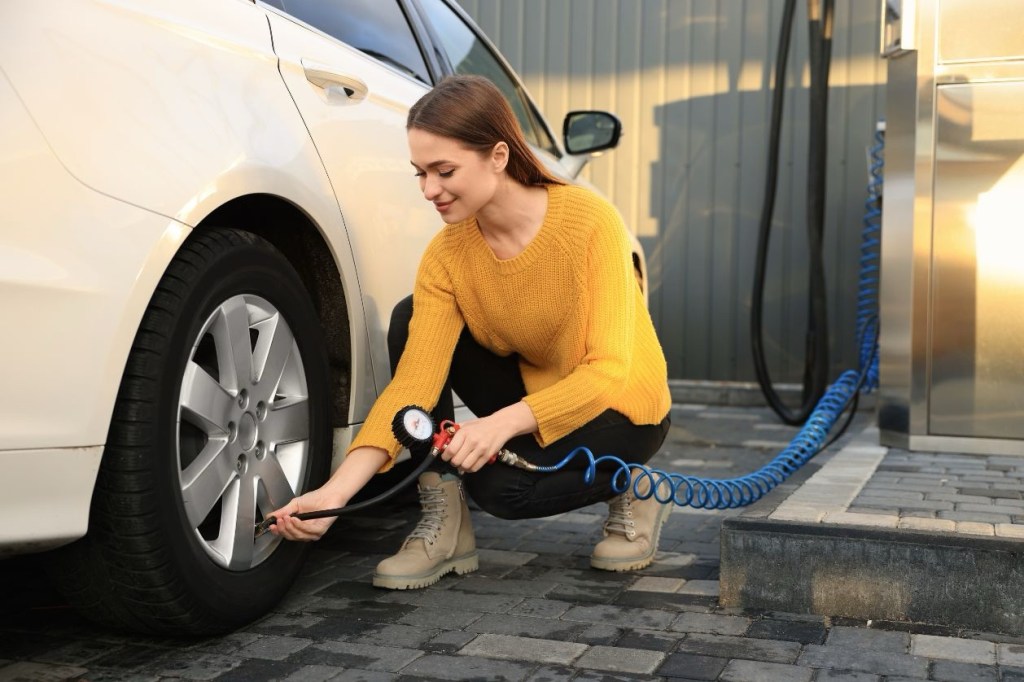
Most car manufacturers recommend keeping tire pressure between 30 to 35 psi (pounds per square inch) for standard vehicles. Use a tire pressure gauge to check each tire, including the spare. If the pressure is below 30 psi, fill the tires with air at a gas station (it’s usually free!) or at home using an air compressor.




 Kirsty said shop
Leave a comment