Bacterial Acne: What Is It and How Can You Treat It?
Acne is one of the most common skin conditions, often running rampant from one’s teenage years into adulthood. It’s a nuisance that can be difficult to maintain. But what is bacterial acne, and how can you treat it? Continue reading below to learn more about how to manage this skin condition.
What Is Bacterial Acne?
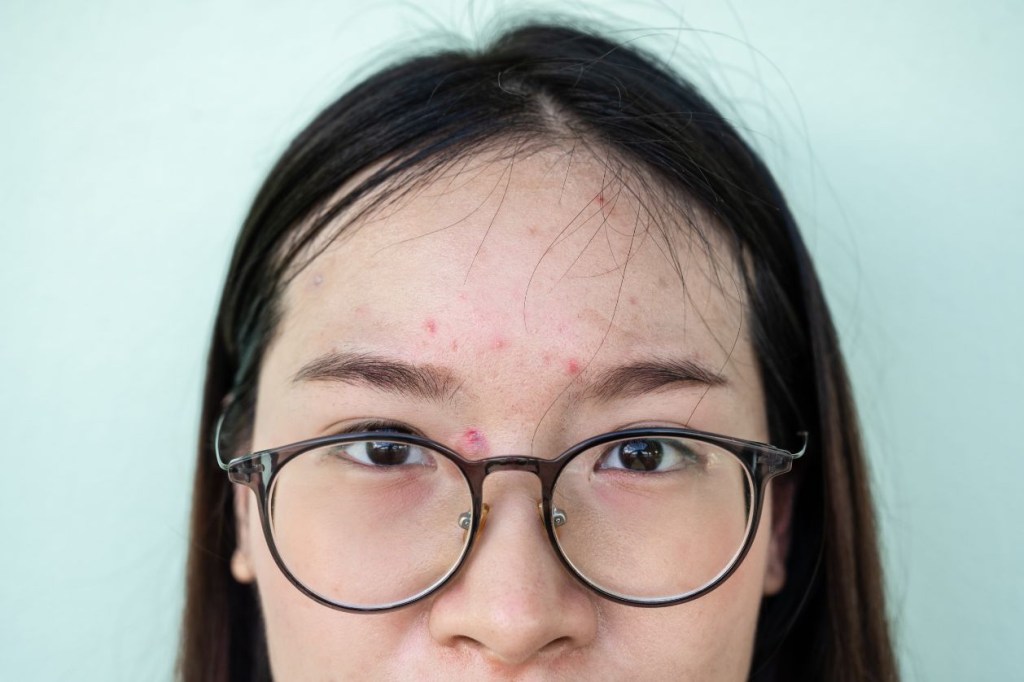
Bacterial acne is a skin condition that arises when the naturally occurring bacteria on our skin multiply. These bacteria are typically healthy and trouble-free, but when they multiply out of control, they can trigger an inflammatory response. Pimples, cysts, and nodules can form as a result.
These blockages may then form a plug, known as a comedo. An open comedo that’s exposed to air takes on a black appearance at the surface, forming what are commonly known as blackheads. A closed comedo, however, remains under the skin, forming a whitehead.
Causes of Bacterial Acne
Several factors can contribute to bacterial acne. Excess sebum production creates an environment that’s favorable for bacterial growth. Additionally, poor hygiene practices such as not properly cleansing the skin or infrequently changing pillowcases can contribute to the accumulation of bacteria on the skin’s surface.
Stress and a poor diet can worsen acne symptoms, too. They trigger the body’s production of cytokines and increase inflammation around the sebaceous glands.
How To Treat Bacterial Acne
Apply Topical Acne Products
One of the best ways you can treat bacterial acne is to apply topical acne products. These treatments should include ingredients such as salicylic acid, retinoids, and benzoyl peroxide. These ingredients are ideal for removing bacteria and unclogging pores, and you can find them in many forms, including cleansers, toners, and gels.
Exfoliate Twice a Week
Exfoliation is another helpful method for treating bacterial acne. Chemical exfoliants dissolve the bonds between the skin cells to allow them to shed. Physical exfoliants use small granules to scrub away dead skin cells. If you prefer a more natural face scrub, creating a homemade exfoliant is a good way to scrub away dead skin cells and reduce clogged pores.
Check the Product’s Ingredients
Not all products are created equal. Checking the ingredients list before applying any type of product is crucial, as some skin-care products and even hair-care products can actually cause acne breakouts. Avoid ingredients such as cocoa butter, silicone, sulfates, and parabens, which can irritate the skin and clog hair follicles. This step will decrease the likelihood of frequent breakouts.
Avoid Picking at Your Skin
Picking at pimples can cause bacteria to spread, leading to even more breakouts and prolonging the healing process. This can result in increased inflammation, redness, and potential scarring. Resist the temptation to pick and pop. Instead, choose gentle skin-care products and targeted treatments to get the best results.
Bacterial acne can be stubborn, but your vigilance will pave the way for clear skin in no time.



 Kirsty said shop
Leave a comment